

2018 Ford Explorer Blowing Fuses? Electrical Diagnosis & Repair
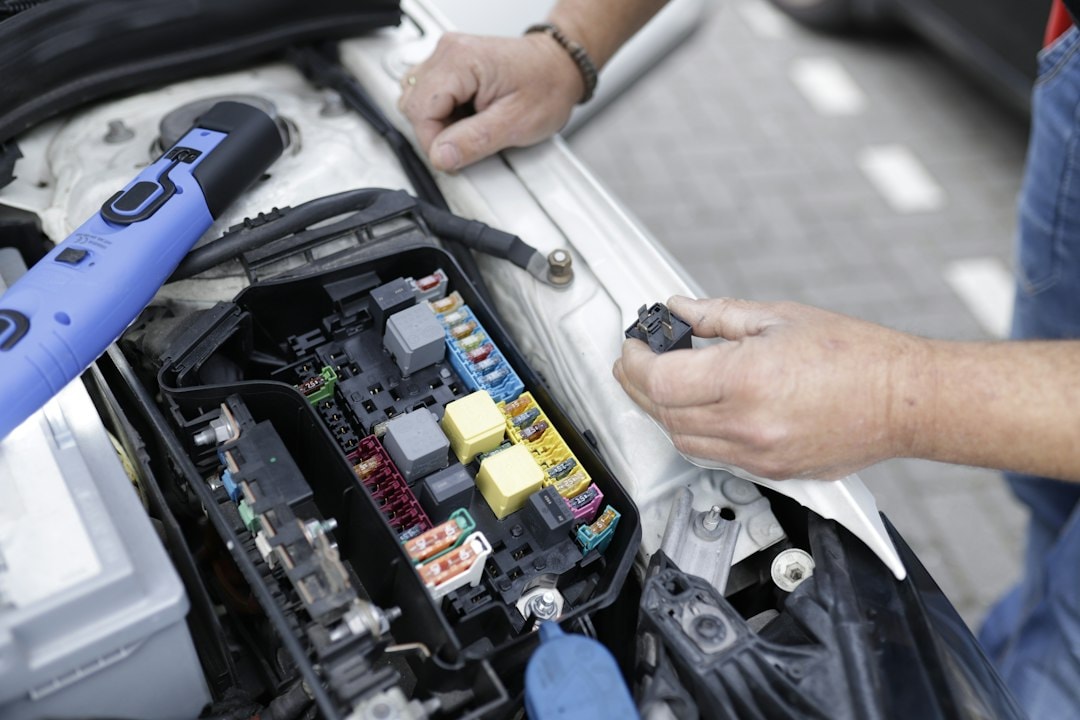
Why Does My Ford Explorer Keep Blowing Fuses?
If the fuses in your Ford Explorer keep blowing, it might be a short circuit, a failing electrical component, or too much load on the circuit.
Through systematic circuit testing, we recently traced a similar issue to a 2018 Ford Explorer belonging to a client. This particular unit was repeatedly blowing fuses intermittently.
How We Diagnosed the Ford Explorer Electrical System Analysis
We started by documenting exactly when the fuse blew, which circuit it affected, and what was happening at the time. That gave us a clear pattern to follow during the electrical diagnosis.
What We Did
We circuit load tested the affected fuse position to measure current draw under normal operating conditions
We visually inspect wiring harnesses for damaged insulation, chafing points, or signs of heat damage
We tested the air conditioning compressor and water pump circuits, as these high-current components frequently cause fuse failures when beginning to fail
Key Diagnostic Findings
Damaged wiring insulation created intermittent contact with ground, especially when the vehicle was in motion or when components heated up and expanded
Failing high-current components like AC compressors or cooling fan motors draw excessive amperage as internal resistance increases, exceeding the fuse's rated capacity
How We Repaired the Ford Explorer Electrical System Failure
Resolving intermittent electrical faults requires specialized diagnostic equipment and systematic circuit analysis to identify the exact failure point before any repairs are done.
Step-By-Step Guide
Measured the circuit load using calibrated digital multimeters to establish baseline current draw and identify components exceeding design specifications
Did a thermal imaging inspection of electrical connections and high-current components to detect resistance-induced heat buildup, indicating impending failure
Did a wiring harness continuity testing across all connection points in the affected circuit to locate damaged insulation or corroded terminals
Performed component isolation testing to verify whether the AC compressor, water pump, or cooling fan motors were drawing excessive amperage
Critical Technical Considerations
Replacing the fuse alone does not rectify the underlying fault. The fuse is a protective device that sacrifices itself to prevent circuit damage, so repeated failures always indicate a problem requiring professional diagnosis
Proper circuit load capacity verification ensures that any replacement components or repaired circuits operate within manufacturer-specified amperage limits
After we repaired the circuit, we tested it under the conditions that had been causing the fuse to blow and confirmed that it was working properly.
3 Patterns That Show Your Ford Explorer Has an Electrical Fault
Your Ford Explorer may be running fine when, without warning, a fuse blows, and one of the electrical systems stops working. Maybe the AC cuts out, a power window stops moving, or the radio goes dead. When that keeps happening, it is highly likely there is an electrical problem somewhere in the circuit.
You might notice these patterns:
The same fuse blows repeatedly after you replace it, sometimes immediately, and sometimes after days of normal driving
The problem happens more often in hot weather or after the vehicle has been running for a while
The failure occurs when you activate a specific feature, like the air conditioning, power windows, or cooling fans
So, pay attention to exactly when the fuse blows. These details help technicians narrow down which circuit is overloading and why.
N.B. Each time a fuse blows, it protects your vehicle's wiring from excessive current that could melt the insulation, damage expensive control modules, or create a fire hazard. Seek a professional electrical wiring inspection service to avoid additional issues.
Frequently Asked Questions About Fuses and the Electrical System
Is My Ford Explorer Safe to Drive with Repeated Fuse Failures?
No. We wouldn’t recommend you keep driving it until we find out why the fuse keeps blowing. There could be a problem with the wiring or with one of the parts on that circuit. Also, if the fuse controls something important, the vehicle could lose that function while you’re driving or leave you stuck.
Can I keep driving my Explorer if fuses keep blowing, or do I need immediate service?
If you’re already on the road or don’t have another option, you can drive it a short distance to get it checked. A fuse blows to protect the wiring, and repeated failures can lead to melted wires, damaged electrical parts, or even a fire.
For example;
If the fuse controls the cooling fans, the engine could overheat.
If it controls the charging system, the battery could run down, leaving you stranded.
Until we find the problem, avoid long trips and keep an eye on the temperature gauge.
Never replace the fuse with one rated for more amperage. That can allow too much current through the wiring and create a fire risk.
Ready to Solve Your Electrical System Problem?
At Aegean Autocare & Tire Center, we've helped Vacaville Ford Explorer drivers resolve these exact concerns with reliable, lasting results.
Don't let electrical problems linger, risking more serious damage to your vehicle's wiring or control modules. Reach out to Aegean Autocare & Tire Center at (707) 446-2584 and let's get your vehicle's electrical system operating safely and reliably again.