

What Does It Mean When Your Brakes Feel Soft and Spongy?
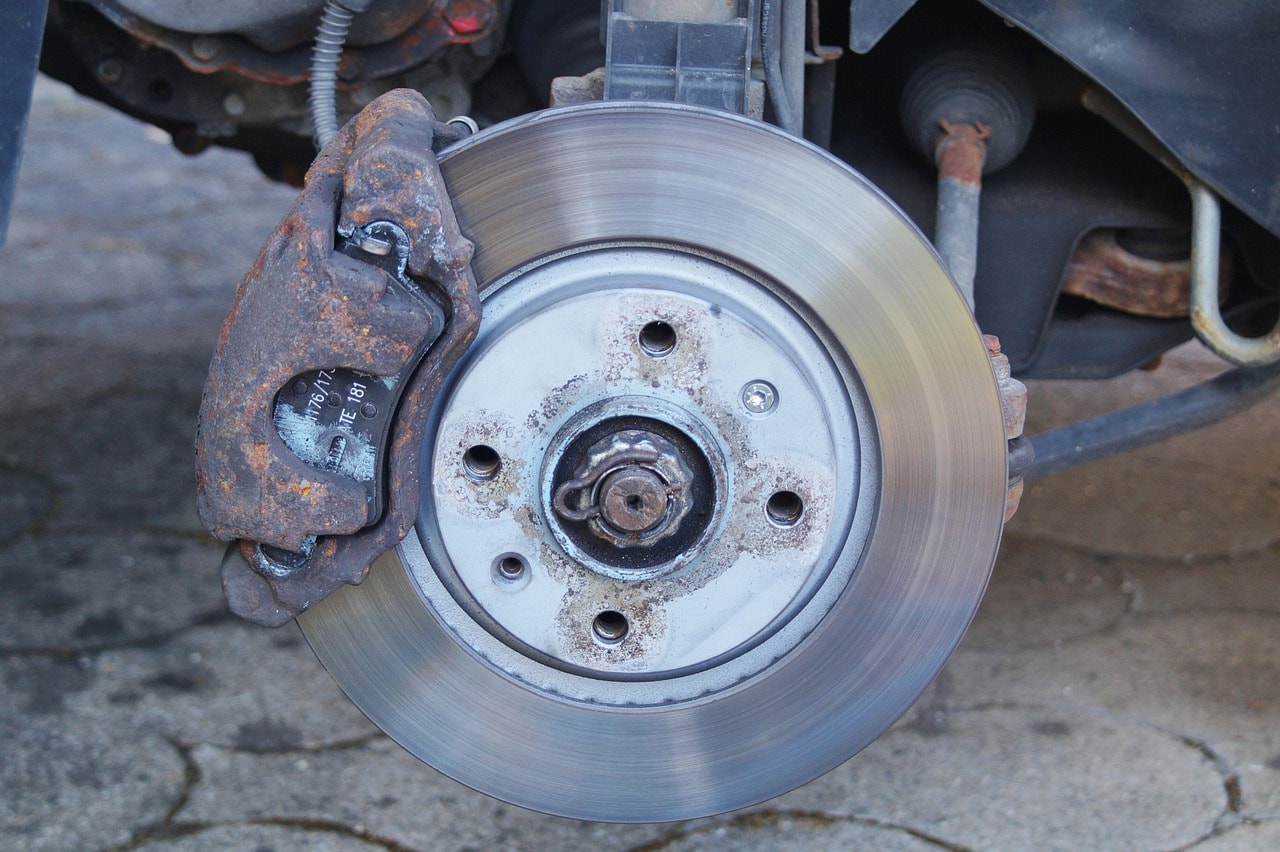
If your brake pedal feels soft or spongy, it might be caused by air in the brake lines or old brake fluid. It isn’t always a brake pad problem, and we recommend having your braking system inspected and tested to determine the cause of the change in pedal feel.
Our ASE-certified technicians at Aegean Tire Center performed a thorough hydraulic system evaluation on this 2012 Nissan Xterra, measuring pad thickness at all four corners and testing for brake fluid contamination using industry-standard moisture-detection equipment.
Issue: Soft spongy brake pedal with reduced stopping power
Problem: Worn pads measuring below 3mm specification and brake fluid with 3.2% moisture contamination
Solution: Replaced pads and rotors on both axles, performed complete brake fluid flush using BG Brake System Service procedure
Location: Aegean Tire Center, Vacaville, California (serving Solano County drivers since 2008)
Don’t Ignore These Signs in Your Nissan Xterra Brakes
If the brake pedal feels soft or spongy, bring the Xterra in for a brake system inspection. The cause might be air in the brake lines, old brake fluid, worn brake parts, or a leak. We need to test the system to know which repair it needs.
Here are 5 common signs of brake system problems you shouldn't ignore.
The pedal slowly sinks: This might point to a leak or a problem with the master cylinder.
Grinding or squealing: The brake pads may be worn down and damaging the rotors.
Vibration when braking: A shaking steering wheel or pulsing pedal can be caused by rotors or uneven pad wear.
The vehicle pulls to one side: A sticking caliper or uneven braking may be affecting the Xterra's stopping performance.
A brake warning light comes on: The vehicle’s brake system has detected a problem that needs to be checked.
Air in the brake lines or moisture in the brake fluid can make the pedal feel less firm. Worn pads can also damage the rotors if you keep driving. If the pedal feels unusually soft, sinks toward the floor, or the brakes are making grinding noises, don’t keep driving it. Have the brake repair checked as soon as possible.
Nissan Xterra Brake System and Hydraulic Performance Assessment
We checked the entire brake system on this 2012 Nissan Xterra to determine why the pedal felt soft. We looked at the brake pads, rotors, brake fluid, and the hydraulic system rather than assuming the problem was caused by a single part.
Here’s what we found:
Front brake pads: Measured 2.8 mm, below Nissan’s 3 mm minimum.
Rear brake pads: Measured 3.1 mm, with significant wear.
Brake fluid: Contained 3.2% moisture, above the 1% limit we look for.
Rotors: Had grooves about 0.8 mm deep and uneven thickness.
Hydraulic system: We checked for air and leaks that could also affect pedal feel.
The worn pads and damaged rotor surfaces required attention, but moisture in the brake fluid worsened the problem.
Also, old or contaminated fluid can make the pedal feel less firm, especially when the brakes get hot. Based on these findings, the Xterra needed a comprehensive brake repair service that focussed on the pads, rotors, and brake fluid, not just one of those items.
How We Repaired Nissan Xterra Brake System
We started by measuring the brake pads, rotors, and brake fluid to find out why the pedal felt soft.
Brake pad measurements: The front pads measured 2.8 mm, and the rear pads measured 3.1 mm. Nissan’s minimum service specification is 3 mm, so both axles showed significant wear.
Brake fluid test: The fluid contained 3.2% moisture, while the maximum safe level is about 1%. This can make the pedal feel less firm, especially when the brakes get hot.
Rotor measurements: The rotors had grooves about 0.8 mm deep and thickness variations of 0.015 mm. Because the rotor surfaces were worn, replacing only the pads would not have been enough.
We then completed the brake system repair:
Removed the worn front and rear brake pads and rotors
Cleaned the wheel hub surfaces before installing the new rotors
Installed new ceramic brake pads and replaced the related hardware
Applied brake lubricant and anti-squeal compound where needed
Flushed the old brake fluid and refilled the system with fresh DOT 3 fluid
Bled the brakes in the proper order to remove old fluid and air from the lines
After the repair, the brake pedal felt firmer and had less travel. We performed controlled brake tests at 15, 30, and 45 mph, followed by a road test reaching highway speeds up to 65 mph. We also serviced the power steering and cooling systems during the same visit by replacing the old power steering fluid and coolant.
Frequently Asked Questions About Car Brake System
Can I drive my vehicle if the brake pedal feels soft or spongy?
We wouldn’t recommend driving it normally. A soft or spongy pedal might be caused by air in the brake lines, moisture in the brake fluid, or another hydraulic problem. It can also be related to worn brake parts.
If the pedal sinks toward the floor, the brakes are grinding, or the vehicle pulls or shakes when you brake, stop driving and have it towed for brake system repair. If the pedal only recently changed and the vehicle still stops, drive only as far as needed to reach a safe place.
What are the immediate risks of continuing to drive with soft brakes?
The vehicle may take longer to stop, especially during a sudden stop or when the brakes are hot. The problem may also get worse while you’re driving. If worn pads are part of the problem, they can damage the rotors, making the repair more expensive.
Soft brakes can stem from various issues, so we recommend having the system inspected rather than continuing to drive and hoping the pedal returns to normal.
How do I know if my brake problem needs immediate attention?
Any change in pedal feel is worth checking, but stop driving if:
The pedal sinks to the floor
The brakes are grinding
A brake warning light comes on
The vehicle pulls to one side
The steering wheel or pedal shakes when braking
The brakes do not respond normally
These signs may point to a larger brake system problem and should not be ignored until the next service appointment. Bring your car in for an emergency brake repair.
What inspection procedures do technicians use to check brake safety?
We inspect both the parts you can see and the hydraulic system that builds brake pressure. This includes:
Measuring the brake pads at all four wheels
Checking the rotors for grooves, uneven wear, or thickness changes
Testing the brake fluid for moisture and contamination
Looking for leaks around the calipers, hoses, and other brake components
Checking for air in the brake lines
Checking the pedal travel and overall pedal feel
On this Nissan Xterra, the front pads measured 2.8 mm, the rear pads measured 3.1 mm, and the brake fluid contained 3.2% moisture. The rotors also had grooves and uneven wear, so the vehicle needed more than just a fluid service.
What should I do if I have brake problems while driving?
Slow down, leave more space between your vehicle and the one ahead, and pull over somewhere safe. If the pedal reaches the floor or the brakes are not responding normally, don’t keep driving. Call for assistance or arrange a tow to Aegean Autocare & Tire Center at 801 Alamo Drive in Vacaville.
Get Expert Brake Service in Vacaville Today
If your brake pedal feels soft or spongy, or you hear grinding, squealing, or other unusual noises, bring your vehicle to Aegean Autocare & Tire Center at 801 Alamo Drive in Vacaville.
We inspect the complete brake system, including:
Brake pad thickness
Rotor condition
Brake fluid moisture and contamination
Brake lines, calipers, and possible leaks
Pedal feel and hydraulic pressure
This helps us determine whether your vehicle needs a brake fluid flush, brake pad replacement, rotor replacement, or another type of brake system repair.
Call (707) 446-2584 to schedule brake service. If the pedal sinks to the floor or the brakes don't respond normally, don’t drive the vehicle. Arrange a tow so we can inspect it safely.