

What Causes the Tire Pressure Warning Light to Come On?
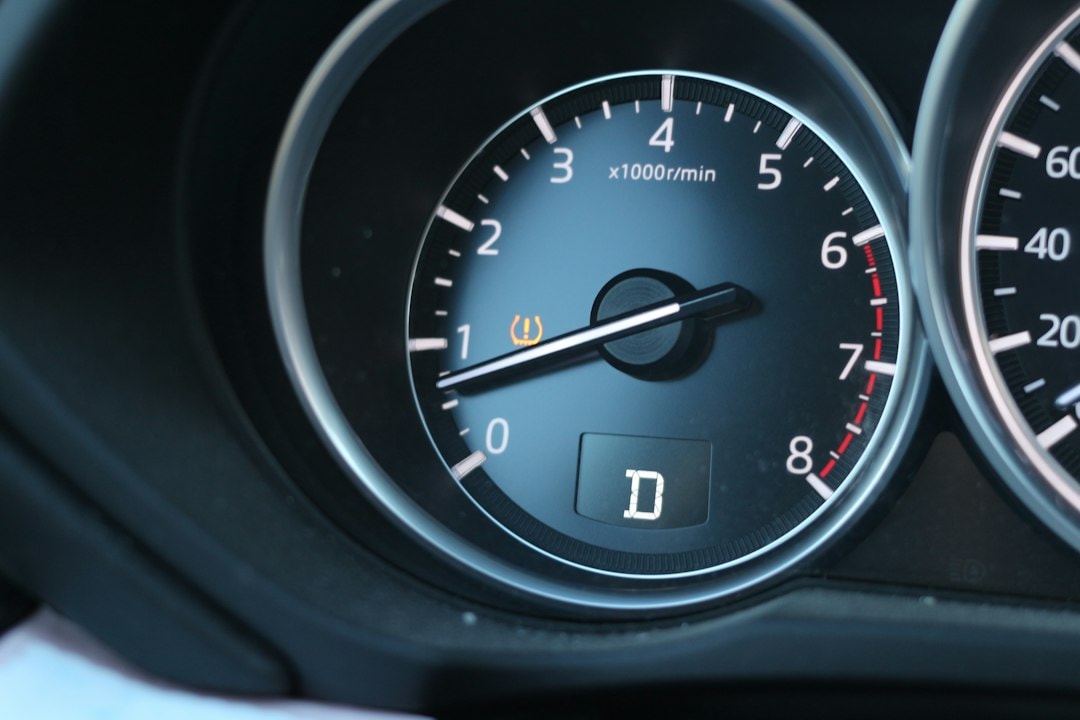
If the tire pressure light comes on, the tire may be low, or there could be a problem with one of the sensors.
Last week, a client brought in a 2019 Chevrolet Traverse that had this issue. Our technicians found that the tire pressure light was coming on because two of the TPMS sensors had failed. The faulty sensors were in the driver’s front wheel and the passenger-side rear wheel.
We replaced both sensors and performed the relearn procedure required for the vehicle. The sensors still needed additional troubleshooting when they didn’t communicate properly at first.
Issue: Tire pressure warning light stays on continuously
Problem: Two TPMS sensors failed completely
Solution: Replaced sensors and performed relearn procedure
Location: Vacaville, CA service
4 Plausible Causes of TPMS Sensor Failure
The tire pressure warning light indicates that your Tire Pressure Monitoring System (TPMS) has detected a problem that requires immediate attention. This federally mandated safety feature continuously monitors air pressure in all four tires and alerts you when pressure drops below safe levels or when a sensor fails.
The warning light activates under several critical conditions:
Actual low tire pressure caused by temperature drops, slow leaks, or punctures
Failed TPMS sensors that stop transmitting pressure data
Communication breakdowns between sensors and the receiver module
Battery depletion in the sensors, which typically last five to ten years
Ignoring this warning creates serious safety risks. Underinflated tires compromise vehicle handling, increase stopping distances, and raise the risk of tire blowouts.
TPMS Sensor Replacement and System Relearn for a 2019 Chevrolet Traverse
Our technicians replaced the failed driver's front and passenger rear TPMS sensors and performed the manufacturer-specified relearn procedure to restore proper tire pressure monitoring functionality.
The sensor replacement and relearn process followed these steps:
Removed wheels from the driver's front and passenger rear positions
Dismounted tires using proper TPMS-safe tire changing procedures
Removed old sensors and installed new OEM-equivalent TPMS sensors with fresh batteries
Remounted and balanced the tires, then reinstalled wheels with proper torque
Used manufacturer-specific TPMS programming tools to activate and register the new sensors
Performed the Chevrolet-specified relearn procedure to teach the vehicle's receiver module the new sensor identification codes
When the initial relearn procedure failed to establish communication with any of the four sensors, additional troubleshooting became necessary:
Verified new sensor activation and proper programming
Tested remaining original sensors for simultaneous failure
Inspected receiver module function
Examined antenna and wiring for damaged connections or corroded terminals
How Systematic Analysis of Chevrolet TPMS Sensors Is Done
Professional TPMS diagnosis begins with identifying which specific sensors have failed. For this 2019 Chevrolet Traverse, specialized scan tools revealed complete failure of both the driver's front and passenger rear sensors.
TPMS sensors are battery-powered electronic components with a typical lifespan of five to ten years. The diagnostic process follows a systematic approach, namely:
Connect manufacturer-specific scan tools to interrogate the TPMS module
Identify which sensors are transmitting and which have gone silent
Verify that the receiver module is functioning properly
Check antenna connections and wiring harnesses for damage
After installing new sensors and performing the manufacturer-specified relearn procedure, all four sensors failed to communicate with the vehicle's system. This unexpected result required additional troubleshooting:
Receiver module verification: The module itself may have developed a fault
Remaining sensor assessment: The two original sensors may have failed simultaneously
Wiring and antenna inspection: Damaged connections can disrupt the entire network
How To Ensure TPMS Works Properly
The tire pressure warning light alerts you when a tire is losing air. If it stays on, don’t ignore it. Low tire pressure can affect handling, increase stopping distance, cause uneven tire wear, and cause the tires to overheat.
Here are a few things we recommend:
Check the tire pressure monthly: Use a reliable gauge and compare the reading with the PSI listed on the sticker inside the driver’s door.
Check the tires when temperatures change: Cold weather can lower tire pressure. As a general rule, tires lose about one PSI for every 10-degree drop in temperature.
Pay attention to the warning light: If the pressure is correct but the light stays on, the system may have a failed sensor or another TPMS problem.
Be careful during tire service: The sensors are mounted inside the wheels, so they can be damaged if the tires aren’t removed or installed properly.
If the light stays on after you’ve checked the pressure, bring the vehicle in so we can test the TPMS and find out what’s causing it.
Frequently Asked Questions About TPMS Sensor Failure
What should I do if my tire pressure warning light stays on after checking tire pressure?
If the tire pressures are correct and the light is still on, one of the tire pressure sensors may have failed. These TPMS sensors have batteries that typically last several years, and once one fails, it can no longer transmit tire pressure data to the vehicle. We can test the system to determine which sensor is causing the problem.
How does a failed TPMS sensor affect my vehicle's safety?
When a TPMS sensor fails, the vehicle may not warn you if one of the tires starts losing air. You could end up driving on a low-pressure tire without realizing it. That can affect handling, braking, and tire wear, so it’s best to have the sensor checked.
Why should I invest in professional TPMS diagnosis rather than ignoring the warning light?
The warning light could be caused by a faulty sensor, a communication issue, or another system issue. We can test it to identify the actual problem rather than replacing parts that may still be working. Once the repair is done, we’ll make sure the system is communicating properly again.
Get Expert TPMS Diagnosis in Vacaville Today
If your tire pressure warning light won't turn off, even after checking your tires, you need professional diagnosis now. At Aegean Autocare & Tire Center, we use manufacturer-specific diagnostic tools to pinpoint exactly which TPMS sensors have failed and why your system isn't communicating properly.
Don't risk your safety by ignoring that warning light. Our Vacaville technicians have the expertise and equipment to diagnose complex TPMS issues and get your system working reliably again.
Call us at (707) 446-2584 to schedule your TPMS diagnostic appointment. We'll identify the root cause, explain your options clearly, and restore your Chevrolet's critical tire monitoring system so you can drive with confidence.