

What Causes Car Starting System Problems in Vacaville?
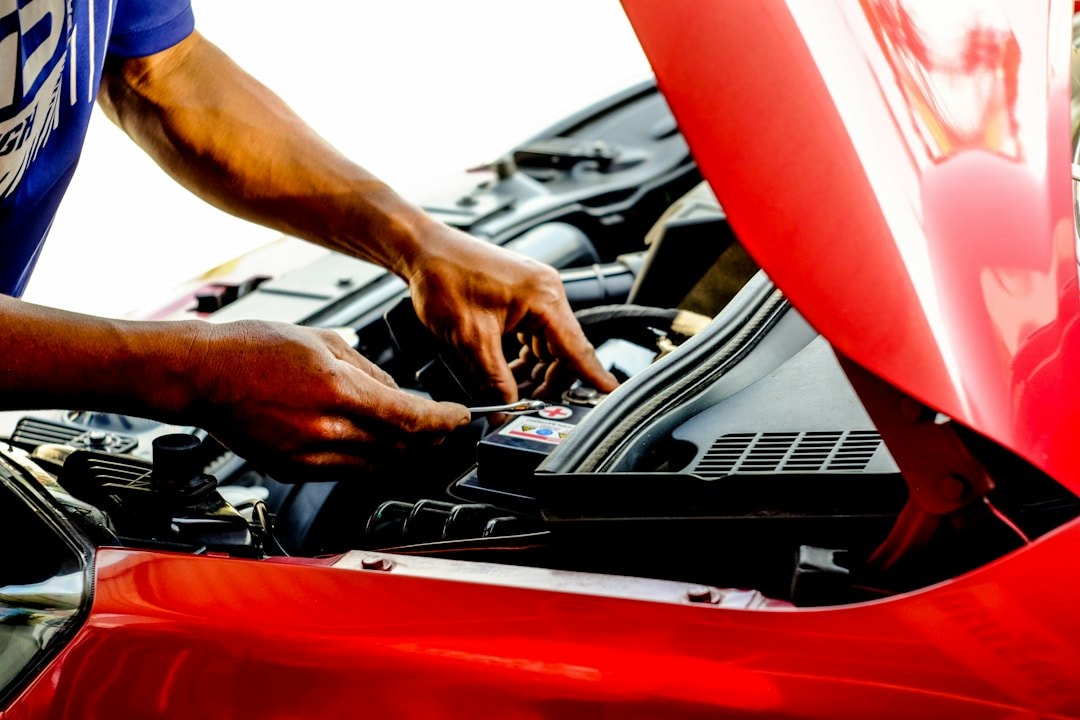
If your car is having trouble starting, it might be related to a weak battery or a problem with the charging system. Cold weather or intermittent issues can make it harder to figure out, so we will test the battery and charging system before replacing anything.
At Aegean Autocare & Tire Center, we test the battery and charging system to determine the cause of the starting problem.
We recently worked on a 2020 Toyota Corolla that had issues starting. We checked the voltage, amperage, and resistance, then inspected the electrical connections and alternator output. This helped us determine whether the battery was weak, the alternator wasn’t charging properly, or there was another issue.
Issue: Vehicle struggles to start, slow cranking
Problem: Battery degraded to 65% capacity
Solution: BG Battery Replacement Service performed
Location: Vacaville service
Early Warning Signs Your Car Starting System Is Starting to Fail
If your car starts slowly or the problem comes and goes, don’t wait until it won’t start at all. At Aegean Autocare & Tire Center, we usually ask our clients when the problem started, how long the car was parked, and whether any warning lights came on.
Watch for these signs:
The engine cranks slowly: The engine turns over, but it sounds weaker or takes longer to start than usual.
The problem is worse in cold weather: Cold temperatures can reduce the power a battery can deliver, especially if the battery is already weak.
The car struggles after sitting: If it starts after a short stop but has trouble after sitting overnight or for several days, the battery may be losing its charge. An electrical drain could also occur while the vehicle is parked.
You need more than one attempt: intermittent problems can be related to the battery, alternator, starter, wiring, or another electrical issue.
A battery or charging warning light comes on: This may point to a problem with the charging system. We would test the battery and alternator rather than assume which part is bad.
The engine starts, but the vehicle soon loses power: This can happen when the battery is not being recharged properly, but it needs to be tested to confirm the cause.
We perform battery and charging-system testing to check voltage, amperage, and the battery’s ability to hold a charge. We also inspect the connections and alternator output. These steps help us find out whether the problem is the battery, the charging system, an electrical drain, or something else in the starting system.
How We Analyzed the 2020 Toyota Corolla Starting System
We started by checking the battery, alternator, and electrical connections rather than replacing parts based solely on the starting symptoms. Here’s what we did:
Tested the battery amperage: We checked whether the battery could provide enough power to crank the engine. The battery was only producing about 65% of its original cold-cranking capacity.
Checked battery voltage: We measured the battery voltage with the engine off and while starting to see how much it dropped under load.
Tested the alternator: With the engine running, the alternator was charging at 14.1 volts, which was within the expected range.
Checked electrical resistance: We tested the battery terminals, cables, and ground connections. The readings were below 0.2 ohms, so we didn’t find a problem with the connections.
Inspected for other possible causes: Since the alternator and connections were working properly, we focused on the battery’s ability to hold a charge.
The testing showed that the battery itself had weakened, causing the intermittent starting problem. We also completed a safety inspection of the 2020 Toyota Corolla, checking the brakes, brake fluid, steering and suspension, tires, lights, and other fluid levels. The safety systems were working properly, and no additional concerns were found during the inspection.
How We Diagnosed and Resolved the Battery Issue
Once the tests confirmed the battery was weak, we replaced it and checked the rest of the starting and charging system. We also took care of the other maintenance items identified during inspection.
Battery replacement: We installed the correct battery for this 2020 Toyota Corolla, including the proper cold-cranking rating and reserve capacity.
Terminal cleaning: We cleaned the battery terminals and cable ends, then applied a protective coating to help prevent corrosion.
Charging system check: The new battery measured 12.7 volts with the engine off, and the alternator maintained about 14.0 volts while the engine was running.
Electrical load test: We turned on the headlights, climate control, rear defroster, and audio system to make sure the charging system could handle the load.
Starting test: We started the Corolla several times, including a cold-start simulation, and the engine cranked without hesitation.
Engine air filter replacement: The old filter had collected a lot of dirt and debris, so we replaced it.
Cabin air filter replacement: We replaced the dusty cabin filter to help maintain proper airflow through the HVAC system.
CVT transmission service: We drained the old fluid and refilled the transmission with the correct CVT fluid.
Brake fluid service: We flushed the old brake fluid, filled the system with fresh DOT 3 fluid, and bled all four brake calipers.
We finished with a road test, additional start cycles, and checks of the transmission and brakes. This allowed us to confirm that the starting problem and the other service needs had been addressed.
FAQ About Battery and Charging System Maintenance Best Practices
How often should I have my battery tested?
We usually recommend testing it about twice a year, especially before the hottest and coldest parts of the year. Heat and cold can put extra strain on a battery. Many batteries last around three to five years, but that can vary with driving habits and weather.
If the car starts slowly or requires more than one attempt, have the battery tested sooner rather than waiting for it to fail.
What driving habits can help extend battery life?
Try to drive the vehicle long enough for the alternator to recharge the battery after starting. Very short trips may not give it enough time to do that, especially if you make several short trips each day.
If possible, take a longer drive from time to time. Also, avoid leaving the radio, lights, or phone chargers running for long periods when the engine is off.
How do I know if my alternator needs attention?
Watch for signs such as:
A battery or charging warning light
Headlights or interior lights that dim while idling
Electrical accessories that work inconsistently
Unusual noise from the audio system
A vehicle that starts but later loses electrical power
These signs can come from the alternator, battery, wiring, or another charging-system problem. We always test the entire electrical system before replacing anything.
What maintenance helps prevent battery corrosion?
Check the battery terminals and cable connections during regular service. White, blue, or green buildup around the terminals can interfere with the connection.
When you come for a battery inspection, our technicians will clean the terminals, check that the cables are tight, and apply a terminal protectant. If you clean them yourself, make sure the battery is disconnected safely, and the connections are completely dry before reconnecting them.
Should I disconnect the battery if my vehicle will sit for a long time?
If the vehicle will sit unused for more than a couple of weeks, a battery maintainer may help keep the battery charged. Some vehicles continue using a small amount of power even when they are turned off.
Disconnecting the battery may also reset the clock, radio settings, or certain vehicle systems. If you’re unsure what your vehicle requires, ask us before disconnecting it.
What signs mean I should schedule car starting system service?
Bring it to us if you notice the following:
The engine cranks more slowly than usual
You need several attempts to start it
You hear clicking, but the engine does not crank
The dashboard lights dim when you try to start the car
The battery or charging warning light comes on
Don’t wait until the vehicle will not start at all. Testing the battery and charging system early can help us find the problem before you’re stranded.
Get Your Car Starting System Problem Fixed Today
If your car is cranking slowly, clicking, or needing more than one attempt to start, bring it to Aegean Autocare & Tire Center in Vacaville. The problem might be the battery, alternator, a loose connection, or an electrical drain.
We’ll test the battery and charging system by checking amperage, voltage, and resistance. We’ll also inspect the battery cables and connections.
Call (707) 446-2584 to schedule a starting-system check before the problem leaves you stuck at home or in a parking lot.