

Why Your Car Vibrates While Driving: Tire Balance Solutions
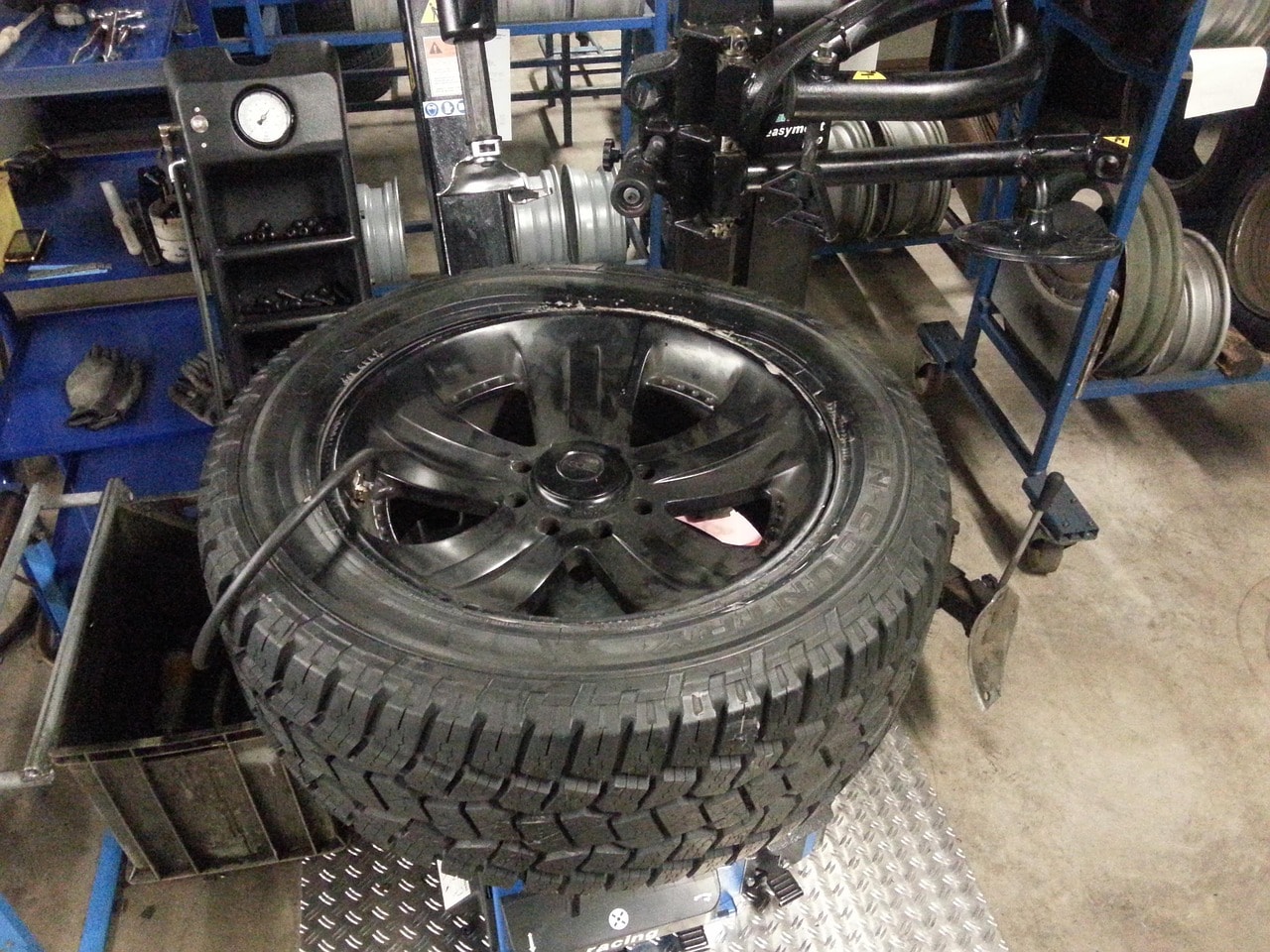
What Causes A 2012 Honda Civic Car To Vibrates While Driving?
Car vibration while driving, especially at highway speeds, might be caused by out-of-balance tires.
Our technicians recently worked on a 2012 Honda Civic that would vibrate while driving. We performed a full safety inspection and a wheel balance check and found that all four tires needed professional balancing to eliminate the vibration.
A Professional Assessment of Honda Civic Tire Balance & System
When we checked this unit, we found that the vibration was coming from the wheels being out of balance. We also looked at other components and noted the following:
All four wheels needed balancing to correct uneven weight distribution
The safety inspection did not show any damaged or excessively worn suspension parts
The engine oil and filter were due for replacement
The valve lifter clearances needed adjustment to help maintain proper engine performance
Based on these findings, our technicians concluded that the shaking and vibration were caused by tire imbalance. When the weight isn’t evenly distributed, the wheels transmit vibration through the steering wheel and chassis, especially at higher speeds.
How We Resolved the Tire Balance Issue
We eliminated the vibration by professionally balancing all four tires and completing scheduled maintenance services.
Step-by-Step Guide
Mounted all four tires on their wheel assemblies using proper installation procedures
Balanced each wheel assembly on our computerized wheel balancer and added precision weights to fix weight distribution problems
Installed the balanced tires, wheel assemblies, and torquing lug nuts to Honda specifications
Completed a full lube, oil, and filter service with fresh oil as per Honda specifications
Adjusted valve lifter clearances to optimize engine valve operation
After balancing the wheels, we road-tested the Civic and confirmed that the vibration was gone. We also completed the oil and filter service and adjusted the valve clearances.
5 Signs That Your Tires Need Balancing
If your tires need to be balanced or aligned, you will notice a steady shaking sensation through your steering wheel and floorboard during normal driving, especially as you pick up speed on the highway. The shaking usually gets worse at certain speed ranges, often between 50-70 mph.
Watch for these specific signs:
Rhythmic shaking that matches how fast your wheels are spinning
A vibration that gets worse as you drive faster
The steering wheel wobbles, making it harder to keep the car straight
A humming or droning noise that changes with your speed
Uneven tire wear patterns are visible on your tread
In a nutshell, what you're feeling stems from uneven weight distribution around your wheel-and-tire assembly. Even small imbalances create a centrifugal force as the wheel spins, which causes vibration and accelerates wear on your suspension parts.
Frequently Asked Questions About Tire Balancing and Alignment
Is it safe to drive my car when it vibrates?
It depends on how severe the vibration is and when it happens. Usually, a mild shake at highway speed is caused by an out-of-balance tire. But if the vibration is strong, worsens quickly, affects steering, or occurs when you brake, something might be loose or damaged that could be affecting the tires, suspension, or brakes.
Can I continue driving with vibration, or do I need immediate service?
We would not recommend driving it without having it checked. Yes, a vibration can come from an out-of-balance wheel, but it may also be caused by a tire, wheel, suspension, or alignment problem.
Book a tire inspection and repair service to avoid additional issues.
What happens if I ignore tire vibration and don't get my wheels balanced?
If you ignore it, the tires can start wearing unevenly and may need to be replaced sooner than they should. The vibration also puts extra strain on parts like the wheel bearings, tie rods, and shocks. Bring it in for a quick check before it turns into a full-blown suspension problem.
How do I know if the vibration is from tire balance or something more serious?
The way the vibration feels and when it happens can give you some clues:
Vibration at certain speeds: A steady shake between about 50 and 70 mph often points to a wheel-balance problem.
Vibration through the steering wheel: This usually suggests the front wheels are out of balance.
Vibration through the seat or floor: The problem may be with one of the rear wheels.
Vibration only while braking: Have the brake system checked.
Rough running while stopped: This may be an engine problem rather than a tire issue.
Pulling or clunking: Pulling to one side or hearing clunks over bumps can indicate suspension issues.
Ready to Solve Your Vibration Problem?
At Aegean Autocare & Tire Center, we've helped Vacaville drivers fix these exact concerns with reliable, lasting results.
Reach out to us at (707) 446-2584 and let's get your vehicle running smoothly again. You can also visit us at 100 Aegean Way, Vacaville, CA 95687.